TSVB Buttons

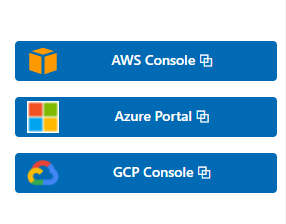
This visualization is an example of how to use buttons within Kibana dashboards. Its using custom CSS to style the buttons like normal Kibana buttons.

Its also using images and other elements for the links. The example is linking to AWS cloud portal, GCP portal and Azure portal. The links can easily be replaced by any link you like.

There are similar CSS styled elements used in our Kibana Observability dashboards.

If you like to link to different content based on the data that is shown in your dashboard its better to use drill downs.

Tested versions 7.x
ECS compliant No

You must log in to submit a review.
Related downloads

Watcher job to integrate ChatGPT in Elasticsearch

Watcher job to integrate ChatGPT API from OpenAI in Elasticsearch. Helpful to find solutions for error messages very quick.

Logstash Meraki Pipeline

Logstash Pipeline to load Meraki logs via Syslog into Elasticsearch

Sigma Windows Process Creation detection rules

A collection of rules based on the Sigma rules for Windows (process creation folder) based on Winlogbeat data .

Plex ingest node pipeline

A plex ingest node pipeline to parse logs from Plex for Elasticsearch

AWS Cloudtrail Monitoring dashboard

Deep insights into AWS Cloudtrail events for SIEM and Monitoring

Vega Scatterplot Kibana visualization

A scatterplot visualization made with Vega Lite for Kibana

These downloads could be also interesting for you

Kibana alerting enhancement

This bundle enhances the Kibana alerting experience. Storing all relevant information in indices and visualize the data in dashboards.

Playable Pacman

This is a playable version of pacman made with Vega.

Google Cloud Log Ingestion dashboard

Canvas Board to analyze the log data collection of Google Cloud via Dataflow using the Google Cloud Metric module data

ACSC Advisory IOCs detection rules

ACSC Advisory IOCs detection rules for Elastic SIEM

Elastic Cloud Monitoring dashboard

Kibana dashboard that uses the Elastic Cloud monitoring data to provide better insights into what’s happening in your cloud environment.